Pest pressure is rarely a one-time event. That is the first lesson most property owners learn after the second trail of ants appears, the second mouse slips behind the water heater, or the second wasp nest forms under the same eave. A single treatment can solve an immediate problem, but it does not change the conditions that invited pests in. Ongoing service does.
That is why Pest Control Services Warren County plans matter so much for homes, rental properties, restaurants, offices, and light industrial spaces. The real value is not just in killing what is already visible. It is in watching seasonal patterns, closing entry points before activity spikes, and catching small problems while they are still manageable. In practice, that changes the entire cost and stress profile of pest management.
People often think of pest control as a reaction. Something goes wrong, they call, a technician treats, and life moves on. That approach works sometimes, especially for isolated issues. It works far less often in places where pest activity follows predictable cycles tied to weather, moisture, food sources, landscaping, neighboring structures, and building age. Warren County properties see all of those variables. A creek behind the house, a mulch-heavy flower bed, an unfinished basement, a detached garage, a restaurant dumpster area, an older foundation with settling gaps, each one shifts the equation.
Why one-time treatments often fall short
A one-time service can be useful. If yellowjackets build in a wall void near a doorway or a tenant reports an active roach issue after a move-in, immediate treatment is the right call. But those cases are usually only one chapter of the story.
Most pests do not arrive by accident. They exploit repeatable weaknesses. Mice follow warmth and shelter when temperatures drop. Ants seek moisture and protein in spring, then sugar later depending on species and colony needs. Spiders gather where prey insects are active. Stink bugs and cluster flies look for overwintering sites as the seasons change. Termites and carpenter ants respond to moisture issues and wood-to-soil contact over time, not overnight.
If a service visit solves the visible symptom but no one monitors the structure afterward, the original conditions remain. The crack under the side door is still there. The condensation line still drips. The crawlspace vent still lacks screening. The grease residue behind the line equipment still attracts activity. That is why customers often feel like they are stuck on a treadmill when they rely only on single appointments. They are paying to reset the clock, not to control the environment.
A recurring plan changes the goal. Instead of asking, “How do we eliminate this pest right now?” the better question becomes, “How do we make this property consistently less hospitable to pests all year?” That is where ongoing service earns its value.
The hidden economics of prevention
Most people compare pest control plans to the price of doing nothing, which is the wrong comparison. The more accurate comparison is between steady prevention and the total cost of unmanaged flare-ups.
Those costs add up quickly. A restaurant that shuts down part of a kitchen for emergency service loses revenue that day, but the larger risk is reputational. A property manager dealing with repeated tenant complaints spends staff time, may face turnover, and can end up paying for follow-up sanitation, maintenance, and patch repairs under pressure. A homeowner with rodents in an attic might pay for trapping first, then insulation replacement, then duct cleaning, then sealing work that would have been cheaper if addressed early.
I have seen situations where a small monthly or quarterly plan would have cost a fraction of the eventual repair bill. One common example is mice entering through utility penetrations in late fall. If that entry is found and sealed early, the issue may stay limited to occasional perimeter activity. If it goes unnoticed through winter, the problem can spread into wall voids, insulation, storage areas, and pantry spaces. At that point, the job is no longer just pest control. It becomes cleanup, exclusion, monitoring, and sometimes odor management.
The same logic applies outdoors. Homeowners sometimes delay treatment because they do not want to pay for recurring service when they only notice ants in the kitchen a few weeks each year. What they miss is that the kitchen activity is just the part they see. Colonies may be established around the foundation, under pavers, in mulch beds, or near moisture sources. Ongoing perimeter work often reduces those populations before they press inside.
Warren County conditions that make recurring service worthwhile
Local conditions matter. Pest control is not identical from one county to the next, even within the same state. Warren County properties can include suburban developments, rural lots, wooded edges, creeks, farm-adjacent parcels, historic buildings, and newer construction. Each setting creates different pest patterns, but all of them benefit from regular inspection.
Older homes often have settling gaps, aging weatherstripping, stone or block foundations, and retrofitted plumbing or electrical penetrations that were never sealed tightly. Newer homes may be more energy efficient, but they can still have vulnerabilities at garage thresholds, attic vents, siding transitions, and utility entries. Rural properties tend to see heavier pressure from rodents, occasional wildlife conflicts, and seasonal insect migration from fields or outbuildings. Homes near wooded areas often deal with ticks, carpenter ants, spiders, and moisture-loving insects. Multifamily buildings create another layer entirely because pests move between units, plumbing chases, and shared walls.
A strong local service plan accounts for those realities. It is not just a standing appointment on a calendar. It is a program shaped around how pests behave on that property during each season.
What ongoing service really includes
People sometimes imagine a recurring Pest Control Services Warren County plan as nothing more than routine spraying. Good service is much broader than that. The technician should be tracking patterns, not just applying products. That means noting where activity is building, whether prior treatments held, what sanitation or maintenance issues are contributing, and whether environmental changes around the structure altered the risk.
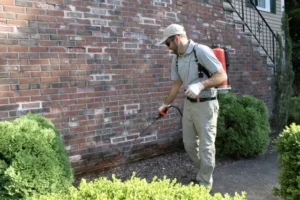
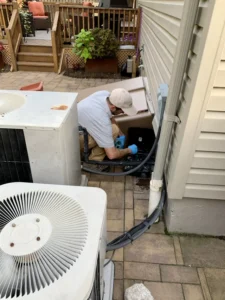
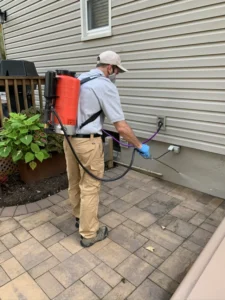
For a residential account, a visit might include inspecting exterior entry points, checking foundation lines, watching for nesting around soffits, treating targeted areas where pests travel or harbor, and talking with the homeowner about new moisture or storage issues. In a commercial account, the focus may expand to floor drains, receiving areas, storage rotation, wall-floor junctions, breakrooms, compactors, dock doors, and employee habits that quietly invite problems.
The best recurring plans also create a record. That record matters more than many people realize. When activity returns, a professional can compare season to season, identify whether it is the same issue or a new one, and adjust strategy. Without that history, every service call starts from scratch.
Seasonality changes everything
Pests do not behave the same way in April as they do in August or December. This is one of the strongest arguments for ongoing service.
Spring tends to bring renewed insect activity as temperatures rise and moisture builds. Ants become more visible. Stinging insects start scouting. Termite swarm season can trigger concerns, some real, some mistaken for flying ants. Early intervention during spring often prevents larger summer infestations.
Summer increases pressure from wasps, hornets, mosquitoes, flies, and many crawling insects. Food and water sources are abundant, and outdoor activity brings people into closer contact with nests and harborages. Quarterly service during this period is not just about comfort. It can reduce the risk of painful or dangerous encounters around decks, play areas, patios, and service entrances.
Fall is when exclusion work pays off. Rodents begin testing structures. Overwintering pests seek warmth and shelter. A property that looked fine in July can suddenly reveal vulnerabilities in October. A recurring plan catches that shift Pest Control Services Warren County before a minor entry problem becomes an indoor infestation.
Winter often exposes the results of everything that came before. If pests found shelter inside, winter is when homeowners discover droppings in basements, scratching above ceilings, pantry infestations, or insect activity around warm utility spaces. A good year-round plan lowers the odds of those surprises.
The difference between treatment and management
This distinction matters. Treatment is an event. Management is a process.
If a homeowner calls because they saw one mouse in the basement, treatment may involve immediate control measures. Management asks what drew the mouse in, how many entry points exist, whether food sources are accessible, whether exterior habitat supports repeat invasions, and what should be monitored over the next several weeks. It also considers edge cases. Was that truly a lone invader, or the first visible sign of a larger issue in the sill plate, crawlspace, or garage?
The same goes for insects. A line of ants on a counter can disappear after treatment, but if the colony remains active under a slab or against a damp foundation wall, activity may return. Management means reducing colony pressure, altering conditions, and keeping watch during the periods when rebound is most likely.
That long view is where Pest Control Services Warren County plans justify themselves. They turn a string of isolated service calls into an actual strategy.
Homeowners gain more than pest reduction
The practical benefits go beyond bugs and rodents. Many homeowners underestimate the mental load pests create. Repeated sightings make people uneasy in their own kitchens, basements, and bedrooms. Parents worry about stings in the yard. Hosts feel embarrassed. Sleep gets interrupted by noises in walls or attic spaces. People start storing food oddly, overusing over-the-counter sprays, or avoiding certain rooms.
Regular service reduces that background stress because it replaces guesswork with a system. You know someone is watching the problem, not just reacting to it. You also get better advice. Instead of grabbing whatever product is on a shelf, you hear things like, “Move the firewood farther from the foundation,” or “That door sweep is leaving a gap on the hinge side,” or “The condensation around this utility room is likely fueling silverfish.” Those details matter.
There is also a safety component. DIY efforts often fail because the treatment does not match the pest, or because the product is applied where it should not be. Recurring professional service tends to be more measured and targeted. Good technicians focus on inspection, identification, exclusion, and selective application rather than blanket overuse.
Rental properties and multifamily buildings need consistency
Landlords and property managers have even more reason to favor ongoing plans. In rental housing, a pest issue is rarely confined to one moment or one unit. Turnover periods can mask conditions. A new tenant brings different housekeeping habits. Shared walls and plumbing routes let pests travel. Delayed reporting gives infestations time to spread.
Consistency is what keeps small unit-level issues from becoming building-level issues. Ongoing service also creates documentation, which helps property managers track recurring trouble spots and determine whether the root cause is structural, operational, or tenant-driven.
I have seen managers save substantial money simply by replacing a reactive model with scheduled inspection and service. Emergency calls dropped. Complaints became easier to sort. Maintenance teams received better direction on sealing gaps, correcting leaks, and adjusting waste-handling areas. The pest control company stopped being the last resort and became part of routine building management.
Restaurants and commercial spaces cannot afford a casual approach
For food service, hospitality, healthcare-adjacent businesses, and retail locations, pest control is operational discipline. It is not a luxury line item.
A restaurant may appear clean at a glance yet still deal with recurring drain flies, German roaches, stored product pests, or rodent pressure around deliveries and waste areas. These are not solved by occasional service alone. They require regular monitoring, sanitation feedback, trend tracking, and coordination with staff. One missed gap under a rear door or one neglected mop sink area can undo a lot of effort.
Office buildings have their own patterns. Pantry areas, vending corners, janitorial closets, drop ceilings, and quiet utility rooms all create opportunity. Warehouses and light industrial spaces face challenges at dock doors, pallet storage zones, and exterior edges where harborage builds up.
Ongoing plans help because they normalize attention. Problems are found earlier, staff learn what to watch for, and corrective actions happen before a customer or inspector notices the issue first.
What a good plan should feel like
A recurring pest control plan should not feel like a mystery subscription. You should understand what is being monitored, how often service occurs, what pests are covered, and what triggers extra attention between visits.
A good provider explains the why behind the work. If exterior service is emphasized, they should connect that to the species and conditions present. If exclusion is recommended, they should be able to show the gaps or risk areas. If interior treatment is limited, there should be a reason grounded in inspection findings and best practice, not habit.
Communication matters here. Homeowners and managers often stay with a company not because there are never pests, but because the company responds clearly, notices changes, and adjusts the approach when needed. The relationship works best when service is not treated like a canned routine. Two houses on the same street may need different strategies depending on pets, drainage, landscaping, storage, and construction details.
When ongoing service may need to be intensified
Not every property needs the same frequency forever. One of the marks of experienced pest management is knowing when to step service up, and when it is reasonable to scale back.
A plan may need more frequent attention after major weather shifts, construction, tenant turnover, nearby land disturbance, long vacancies, or repeated sanitation breakdowns. Homes that back to woods or water may see stronger seasonal pressure than houses in denser subdivisions. Businesses with food handling, open doors, or heavy deliveries usually need tighter oversight than standard offices.
There are also moments when a recurring plan must be paired with separate corrective work. If the crawlspace stays damp, no amount of routine service will fully compensate. If a row of garage door seals has failed, rodents will keep testing those points. If a dumpster area is chronically dirty, flies and occasional scavengers will return. Pest control is powerful, but it is most effective when combined with maintenance and basic environmental correction.
The long-term payoff
The real payoff of ongoing service is stability. Fewer surprises. Lower emergency costs. Less damage. Better comfort. Better records. Better decision-making.
That payoff is not always dramatic week to week. In fact, the best pest control plans can feel uneventful, which is the point. People sometimes question the value of a recurring service precisely because it is working. They stop seeing pests, forget how the problem started, and wonder whether they still need the plan. Then they cancel, a season passes, and old pressure points reappear.
Steady service tends to prevent those resets. It preserves the gains already made. It also reflects how pest pressure actually works in the real world, not how people wish it worked. Pests exploit routine openings, weather patterns, food habits, moisture issues, and structural wear. Managing them effectively requires routine attention in return.
For Warren County property owners, that means choosing Pest Control Services Warren County plans that are built around inspection, seasonality, communication, and prevention, not just product application. The value is not limited to the visit itself. It lives in the months between visits, when the property stays quieter, cleaner, and less vulnerable because someone is paying attention before the next problem announces itself.
Affordable Pest Solutions LLC
Budd Lake, NJ 07828 (service-area business)
Serving Warren, Morris and Sussex Counties, New Jersey
Phone: +1 973-229-9547
FAQ About Pest Control Services Warren County
How much does pest control cost in NJ?
The cost depends on the pest, the size of the property, the extent of activity and whether follow-up visits are needed. Ask for an inspection and a written estimate that explains the treatment scope and any ongoing service charges. Affordable Pest Solutions offers free estimates for properties in its service area.
What are the most common household bugs in New Jersey?
Ants, cockroaches, stink bugs and spiders are among the pests that residents may encounter in New Jersey homes. Activity varies by season, moisture conditions and available entry points. Correct identification helps determine whether exclusion, sanitation, monitoring or professional treatment is appropriate.
What kind of bugs infest homes?
Ants, cockroaches and termites can establish persistent activity in or around homes. The signs and appropriate response differ by pest: trails, droppings, shed wings or damaged wood may warrant closer inspection. A pest professional can identify the cause and recommend a plan suited to the property.