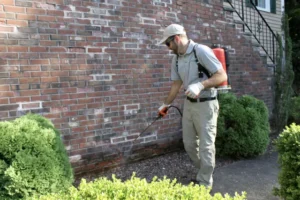
A pest problem rarely stays confined to the pest itself. What starts as a few ants on the counter or scratching in the attic quickly spills into sleep, routines, budgets, and peace of mind. Homeowners in Warren County often reach out for help when the issue has already begun to affect daily life, not just the property. The stress is real. It shows up in the way people avoid their basements, hesitate before opening pantry doors, or wake up at night listening for movement in the walls.
That is where professional help changes more than the pest count. Reliable pest control reduces uncertainty. It gives homeowners a plan, a timeline, and a practical path back to normal. Good service does not just remove insects or rodents. It restores a sense of control.
Stress starts long before the infestation feels serious
Most people do not call after the first sighting. They wait. They hope it was a one-time event. Maybe a mouse slipped in during a cold snap. Maybe the wasps under the eaves will disappear on their own. Maybe those tiny droppings in the garage are old.
That waiting period is often the most stressful part.
Uncertainty makes small problems feel larger than they are. A family may spend days cleaning, spraying store-bought products, setting traps, and searching online late into the night, trying to identify signs that still do not add up. One person thinks the issue is minor. Another imagines structural damage, contaminated food, or an expensive repair hidden behind the drywall. Without a trained inspection, both are guessing.
In Warren County, the seasonal patterns of pests add another layer. Spring can bring ant trails and stinging insects. Summer raises pressure from mosquitoes, wasps, and spiders. Fall often means rodents looking for shelter. Winter does not always bring relief, especially if mice or cockroaches have already found warmth indoors. Homeowners who have lived through one bad season tend to anticipate the next one, which creates a recurring background anxiety even before any visible activity returns.
Professional pest control interrupts that cycle. It replaces vague worry with a real assessment. That alone lowers stress more than many people expect.
The emotional toll of living with pests
There is a practical side to pest management, but there is also a human side that gets overlooked. People feel embarrassed when they discover a pest issue, even when cleanliness has little to do with the cause. They worry about guests noticing. They worry about tenants complaining. Parents worry about children being bitten or exposed to allergens. Older homeowners often worry about climbing ladders, moving storage, or crawling into tight areas to investigate.
I have seen the difference in people’s faces between the beginning of a service visit and the end. At first they are tense, apologetic, sometimes frustrated with themselves for not catching it sooner. After a thorough walkthrough and a clear explanation, they relax. The problem may not be solved in a single afternoon, especially with rodents, bed bugs, or a widespread carpenter ant issue. Still, stress drops as soon as the homeowner understands what is happening and what comes next.
That response is not irrational. Most stress around pests comes from four sources:
- uncertainty about the extent of the problem fear of health or property damage frustration with failed do-it-yourself efforts disruption to normal use of the home
A professional service addresses all four at once. The technician identifies entry points and activity zones, explains likely risks without exaggeration, uses methods that fit the specific pest, and outlines realistic next steps. There is relief in hearing a calm, informed answer instead of trying to piece one together from conflicting internet advice.
Why do-it-yourself treatment often increases anxiety
Store shelves are full of sprays, traps, baits, foggers, granules, and gadgets that promise quick results. Some can help in limited situations. Many do not. The problem is not that every consumer product is useless. The problem is that homeowners are often treating symptoms without identifying the source.
A classic example is the kitchen ant problem. Someone sees a trail near the sink and sprays the visible ants immediately. The trail disappears for a day, then returns from behind the dishwasher or along a baseboard on the other side of the room. The homeowner sprays again, wipes everything down, and starts storing food in bins. The ants keep coming because the colony is elsewhere and the treatment never addressed it.
Rodents create a similar pattern. A homeowner sets a few snap traps in the garage and catches one mouse. That feels promising until scratching starts in the attic. Then the concern expands. Is there a nest? How are they getting in? Are they chewing wires? Should insulation be replaced? What began as a small act of self-reliance becomes a slow build of tension.
Professional pest control services in Warren County reduce stress partly because they narrow the field. Instead of trying five products and hoping one works, homeowners get a targeted response based on species, access points, nesting behavior, moisture conditions, and building layout. That precision saves time, and time matters when stress is compounding every day.
Local knowledge matters more than many people realize
Pest control is not one-size-fits-all. The same species behaves differently depending on season, property type, surrounding vegetation, and nearby water sources. A service provider familiar with Warren County understands the local rhythm of pest activity and the kinds of structures pests favor.
Older homes may have stone foundations, settling gaps, and aging weather seals that invite mice or insects. Newer subdivisions can still face pressure from ants, wasps, and perimeter invaders, especially where construction disturbed existing habitat. Properties near wooded areas often deal with ticks, occasional wildlife issues, or carpenter ants drawn to damp wood. Rural and semi-rural homes can see heavier rodent pressure as temperatures drop.
That local familiarity reduces stress because it shortens the learning curve. A technician who has handled similar issues in nearby neighborhoods can often recognize patterns quickly. They know where to inspect first, what signs deserve concern, and which seasonal problems are likely to follow. Homeowners do not have to educate the provider about the property context. The provider walks in already understanding the environment.
A good inspection does more than find pests
The best visits are investigative. They are not just a quick spray around the baseboards and a generic invoice. A proper inspection is often the moment when the household tension starts to ease.
A strong technician looks for evidence, not just live pests. That includes droppings, grease marks, rub paths, gnawing, nesting material, wood damage, moisture conditions, harborage areas, and openings that explain how the pests are moving through the structure. Sometimes the answer is straightforward. Other times the visible pest is only one part of a larger problem.
For example, a homeowner may call about spiders in the basement. The real issue may be excess moisture, cluttered storage, and an abundance of prey insects. Treating the spiders alone provides temporary relief. Addressing the environment changes the long-term outcome. The same is true for cockroaches near a leaking appliance, carpenter ants near rotted trim, or pantry pests tied to a forgotten bag of birdseed in a utility room.
People become less stressed when the situation is translated into cause and effect. That kind of clarity is hard to put a price on. It lets a homeowner stop imagining worst-case scenarios and start making informed decisions.
Safety concerns are a major source of hidden stress
Many people hesitate to say it directly, but one of their biggest worries is whether treatment itself will create a new problem. They have children, pets, elderly relatives, or household members with asthma or chemical sensitivities. They want the pests gone, but they do not want to trade one concern for another.
Professional providers lower stress by matching treatment methods to the situation and explaining them clearly. Sometimes that means targeted baiting rather than broad application. Sometimes it means exclusion and sanitation paired with limited product use. Sometimes it means scheduling a service at a time that minimizes disruption to the household. The method matters, but the communication matters just as much.
When homeowners understand where products are being placed, why they are being used, and what precautions are needed, the process feels manageable. Without that explanation, even effective treatment can leave people uneasy. Good pest control is technical, but it is also relational. Trust reduces stress.
The financial relief is not just about the invoice
It may seem odd to say that hiring a Pest Control Services Warren County service can feel financially calming, since it requires paying for professional work. But stress around pests is often tied to uncertainty about cost. Not just the cost of treatment, the cost of what happens if treatment is delayed.
Rodents can damage insulation, contaminate stored goods, and chew materials that are expensive to replace. Termite or carpenter ant damage may progress quietly. Wasp nests can make exterior maintenance difficult. Bed bug problems grow more expensive when they spread from one room to several. Repeated do-it-yourself attempts also add up. A household can spend a surprising amount on traps, sprays, foggers, sealants, replacement food, and deep cleaning supplies without ever fixing the root problem.
A professional assessment helps homeowners weigh expense against risk. Sometimes the answer is a straightforward one-time service. Other times a seasonal or ongoing plan makes better sense, especially where recurring pressure is predictable. The calming effect comes from knowing the scope. Even when treatment is not cheap, a defined plan is easier to live with than an open-ended problem.
Consistency is what really restores peace of mind
One successful treatment feels good. Ongoing confidence requires consistency. That is one reason recurring service programs help reduce stress so effectively. Homeowners stop feeling like they have to stay on constant alert. Someone else is monitoring seasonal changes, looking for early signs, and maintaining barriers before a minor issue becomes a major one.
This matters a lot in households that have already been through a bad infestation. After mice, bed bugs, or a serious stinging insect problem, people often stay hyperaware. Every sound at night seems suspicious. Every small bug spotted near a window raises concern. Regular service helps break that vigilance. It gives the homeowner a trusted point of contact and a schedule that keeps prevention active.
The peace of mind is especially noticeable in families with full schedules. Working parents, caregivers, landlords, and small business owners rarely have spare time to inspect every crawl space, utility penetration, and attic corner. They benefit from knowing that routine pressure points are being checked by someone trained to spot what they would miss.
What homeowners usually notice after professional service
When the right plan is in place, the benefits go beyond fewer sightings. Daily life gets easier again. People start using their spaces normally. They stop bracing before turning on basement lights or opening the shed. Sleep improves. So does concentration.
The most common changes tend to look like this:
- fewer surprise sightings and less constant monitoring a clearer understanding of how pests entered and how to prevent returns reduced need for emergency purchases of sprays, traps, and cleaning supplies more comfort inviting guests over or using previously avoided rooms greater confidence during seasonal pest peaks
Those changes sound simple, but they have an outsized effect on stress. A house feels different when it no longer feels vulnerable.
Pest control for families, landlords, and business owners
Stress shows up differently depending on who is responsible for the property. For families, the biggest pressure is usually health, comfort, and routine disruption. Parents do not want their children startled by pests in the bathroom or bitten in the yard. They do not want to explain why cereal boxes have to be checked every morning or why the dog keeps staring at a wall because something is moving inside it.
For landlords, pest issues can trigger a chain of complaints, scheduling demands, and questions about responsibility. Delay creates friction fast. A prompt professional response lowers tenant anxiety and protects the owner from a manageable issue turning into a vacancy, a damaged reputation, or a more involved remediation later.
For business owners, especially in food service, hospitality, healthcare, or retail, the stress has a reputational edge. One customer sighting can create outsized consequences. Professional monitoring and rapid response help preserve both compliance and confidence. Even in office settings, pest activity distracts staff and undermines the sense that the building is cared for.
In each case, the benefit of Pest Control Services Warren County is not limited to elimination. It is the restoration of order. That is what people are really buying.
Some problems need urgency, others need patience
One mark of a seasoned provider is honesty about timing. Not every issue disappears overnight. Telling a homeowner otherwise only creates more stress when expectations are missed.
Yellow jackets in a wall void, for example, may require careful treatment and follow-up based on nest location and activity. Roach infestations often improve in stages, especially if sanitation and moisture correction are part of the process. Mice may be trapped quickly, but exclusion work determines whether the problem stays solved. Bed bugs nearly always require disciplined preparation, close inspection, and more than one touchpoint.
At the same time, some issues do call for immediate action. A large wasp nest over an entryway, evidence of rats in living areas, or repeated pest sightings in a food storage zone should not wait. The value of a professional is not just in treatment. It is in judgment. Homeowners feel calmer when someone can say, with confidence, what is urgent, what is manageable, and what timeline is realistic.
Prevention is often the biggest stress reducer of all
Reactive service solves immediate problems. Preventive service changes the tone of homeownership. Instead of wondering what will happen next season, people start thinking in terms of maintenance.
That shift matters in Warren County, where changing temperatures and mixed residential environments create recurring opportunities for pests. Exclusion work, moisture control, vegetation management near the foundation, attic and crawl space checks, and seasonal monitoring all reduce the chance of unpleasant surprises. None of those measures is dramatic, but together they create a property that is harder for pests to exploit.
Professional providers also notice issues homeowners overlook because they seem unrelated. A torn door sweep, stacked firewood too close to the house, mulch piled against siding, or a dripping hose bib can all contribute to future activity. Addressing those details early prevents both infestations and the stress they bring with them.
What to look for when choosing a provider
Not every service experience reduces stress. Some make it worse by being vague, rushed, or overly aggressive in their recommendations. Homeowners should look for communication as much as capability. The best companies explain findings clearly, set realistic expectations, and recommend treatment proportional to the actual issue.
It also helps when the provider understands that homeowners are not just dealing with pests, they are dealing with the emotional wear that comes with them. A calm, respectful approach goes a long way. Nobody feels better after being talked down to or frightened into a bigger service than they need.
A good relationship with a pest professional often lasts years because trust builds over time. The technician learns the property. The homeowner learns what normal seasonal activity looks like and what deserves a call. That familiarity turns pest control from a recurring crisis into routine maintenance.
Relief comes from having a plan
People often think they need a perfect, pest-free property to feel at ease. In reality, what most households need is confidence that problems will be identified early and handled competently. Stress shrinks when there is a plan. That plan may involve treatment, monitoring, repairs, sanitation adjustments, or preventive visits through the year. What matters is that the problem is no longer vague and unmanaged.
That is the real value of professional pest control. It is practical, certainly. It protects structures, supports health, and reduces nuisance. But it also does something less visible and just as important. It lets people relax in their own homes again.
For homeowners weighing whether to call, that point is worth remembering. If pests are taking up too much mental space, affecting sleep, disrupting routines, or causing ongoing worry, the issue is already bigger than a few bugs or a bit of scratching in the wall. Professional Pest Control Services Warren County can reduce the infestation, yes. Just as importantly, they can reduce the strain that comes with living around one.
Affordable Pest Solutions LLC
Budd Lake, NJ 07828 (service-area business)
Serving Warren, Morris and Sussex Counties, New Jersey
Phone: +1 973-229-9547
FAQ About Pest Control Services Warren County
How much does pest control cost in NJ?
The cost depends on the pest, the size of the property, the extent of activity and whether follow-up visits are needed. Ask for an inspection and a written estimate that explains the treatment scope and any ongoing service charges. Affordable Pest Solutions offers free estimates for properties in its service area.
What are the most common household bugs in New Jersey?
Ants, cockroaches, stink bugs and spiders are among the pests that residents may encounter in New Jersey homes. Activity varies by season, moisture conditions and available entry points. Correct identification helps determine whether exclusion, sanitation, monitoring or professional treatment is appropriate.
What kind of bugs infest homes?
Ants, cockroaches and termites can establish persistent activity in or around homes. The signs and appropriate response differ by pest: trails, droppings, shed wings or damaged wood may warrant closer inspection. A pest professional can identify the cause and recommend a plan suited to the property.